Bladder And Bowel Control Support Greater Toronto Area
Bladder and bowel control support addresses the physiological and mechanical factors that affect continence and pelvic floor function, restoring confidence and quality of life through targeted assessment and treatment. Pro-Life Wellness Retreat offers specialized pelvic floor physiotherapy integrated with complementary care across Scarborough, Markham, Ajax, and the Greater Toronto Area, treating adults and seniors who experience incontinence, urgency, or dysfunction related to injury, age, childbirth, or chronic conditions.
What Pelvic Floor Dysfunction Involves and Why Treatment Matters
The pelvic floor is a group of muscles, ligaments, and connective tissue that supports the bladder, bowel, and reproductive organs while managing continence and pressure during physical activity. Dysfunction occurs when these muscles become weak, overactive, or uncoordinated-a condition affecting 20 to 30 percent of adults at some point in their lives, with higher prevalence in women and older adults.
Causes range from pregnancy and childbirth, chronic straining, high-impact exercise, spinal injury, and chronic cough to prostate surgery, age-related muscle loss, and prolonged sitting. Because the pelvic floor works in concert with the core, lumbar spine, and breathing patterns, dysfunction often stems from issues elsewhere in the body that require a systems-based approach to resolve.
Addressing pelvic floor dysfunction early prevents progressive symptoms and restores normal function; untreated cases often worsen and extend into multiple areas of daily life.
Assessment and Diagnostic Methodology in Scarborough
Pro-Life Wellness Retreat's pelvic floor physiotherapists conduct a thorough evaluation that includes detailed history, functional movement screening, and internal or external palpation-depending on presentation and patient consent-to identify muscle tone, coordination, strength, and trigger points. This assessment clarifies whether the problem involves weakness, tension, motor control deficit, or a combination.
Advanced diagnostic techniques include real-time ultrasound biofeedback, which allows you to visualize pelvic floor contraction and relaxation in real time, and surface electromyography (EMG) to measure muscle activation patterns. These tools identify asymmetries and coordination faults that manual examination alone cannot reveal. The clinic also reviews imaging, surgical history, and medication side effects that may influence bladder and bowel function, ensuring no underlying pathology is overlooked.
Treatment Approaches: Manual Therapy and Motor Re-education
Once assessment is complete, treatment is tailored to your specific dysfunction. Manual techniques include soft tissue release, myofascial trigger point therapy, and muscle retraining to address tension, scar tissue, or weakness. Therapists may also address restrictions in the lumbar spine, hips, or abdominal wall, since tight hip flexors or a rigid lower back often contributes to pelvic floor dysfunction.
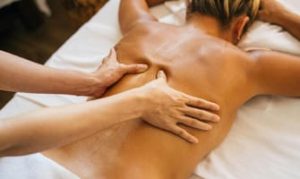
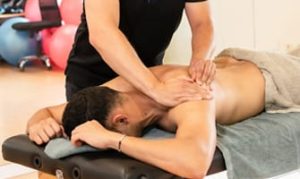
Motor re-education-teaching the pelvic floor to contract and relax with proper timing and coordination-forms the core of most programs. Exercises progress from isolated muscle activation to functional integration with breathing, posture, and movement. Many patients benefit from combining pelvic floor physiotherapy with registered massage therapy to release tension in the hips, lower back, and pelvic muscles, accelerating recovery.
Lifestyle Modification and Behavioral Support
Pro-Life Wellness Retreat emphasizes patient education alongside hands-on care. Behavioral strategies-such as fluid management, toilet habits, delayed voiding techniques, and bowel routine optimization-reduce urgency and frequency. Dietary modification, stress management, and breathing retraining also support pelvic floor healing.
For individuals in Markham, Ajax, and surrounding communities, the clinic provides practical guidance on posture during work, safe exercise modification for fitness enthusiasts, and return-to-sport protocols. Because many patients work sedentary jobs or engage in high-impact activities, the therapists design strategies that fit into daily life rather than creating additional burden.
When to Seek Care and Expected Outcomes
Consult a pelvic floor physiotherapist if you experience urinary or fecal incontinence, urgency, frequency that disrupts daily activity, pain with intercourse, difficulty emptying, or bladder symptoms after childbirth, surgery, or injury. Men experiencing post-prostate-surgery incontinence or chronic pelvic pain also benefit significantly from this treatment.
Most patients see measurable improvement within 4 to 8 weeks of consistent therapy, with continued gains over 12 to 16 weeks. Outcomes depend on symptom duration, underlying cause, and adherence to home programming; long-standing cases may require longer treatment. The goal is not just symptom relief but restoration of normal muscle function and confidence in physical activity.
If bladder or bowel control concerns are affecting your quality of life or limiting your ability to work, exercise, or socialize, Pro-Life Wellness Retreat is ready to help. The team combines 50 years of combined clinical experience with a patient-centered approach, addressing root causes rather than managing symptoms alone. Reach out to discuss your needs and learn how pelvic floor physiotherapy can restore your function and confidence.
Frequently Asked Questions
Is pelvic floor physiotherapy covered by insurance in Scarborough?
Many extended health insurance plans cover physiotherapy when provided by a registered physiotherapist; coverage varies by plan and employer. Pelvic floor physiotherapy is typically claimed under the same physiotherapy benefit as other musculoskeletal treatment. Contact your insurance provider with your plan details, or speak with Pro-Life Wellness Retreat about submitting receipts for reimbursement.
How long does treatment for bladder control issues usually take?
Most patients experience noticeable improvement within 4 to 8 weeks of regular therapy, though results depend on symptom duration and adherence to home exercises. Comprehensive treatment typically spans 12 to 16 weeks with one to two sessions per week; some cases resolve more quickly, while chronic or complex dysfunction may require extended care.
Do men need pelvic floor physiotherapy, or is it only for women?
Men absolutely benefit from pelvic floor physiotherapy, particularly after prostate surgery, for chronic pelvic pain, or when experiencing incontinence or erectile dysfunction related to pelvic floor dysfunction. Pro-Life Wellness Retreat treats both men and women with the same evidence-based approach, and male physiotherapists are available for patients who prefer them.
What makes us unique
Personalized Treatment
You will receive a full individualized treatment
Licensed Therapists
Your treatment will only be performed by licensed therapists
Experienced Staff
Our best massage clinic therapists are trained and certified in therapy technique
Therapy Goals
Setting goals is the best way to enjoy a successful outcome
Wellness & Rehab
You will receive a full individualized treatment.
Visit our Location
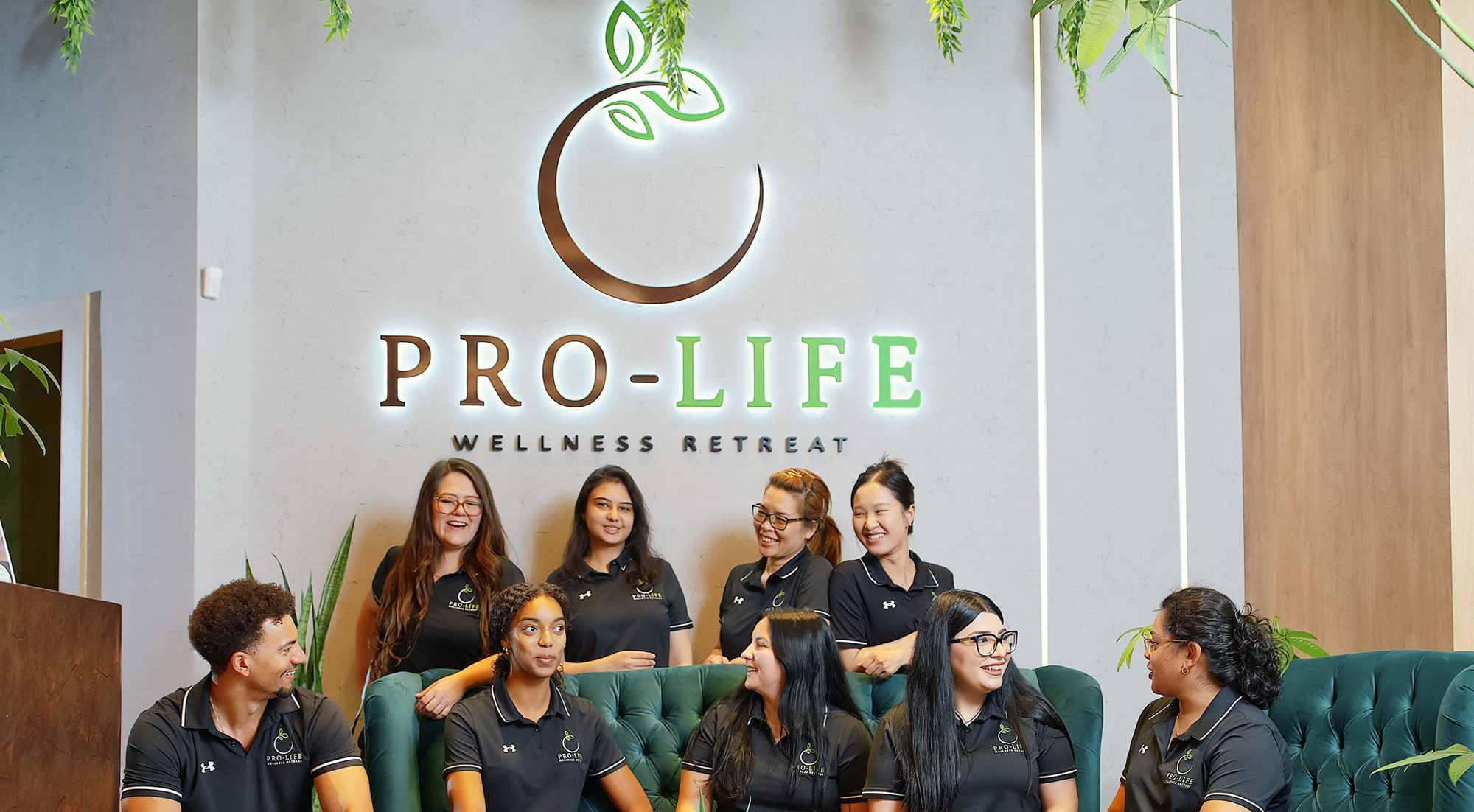
Prolife Wellness Retreat
2250 Markham Road, Unit 3, Scarborough ON M1B 2W4