Concussion Recovery Physiotherapy Toronto
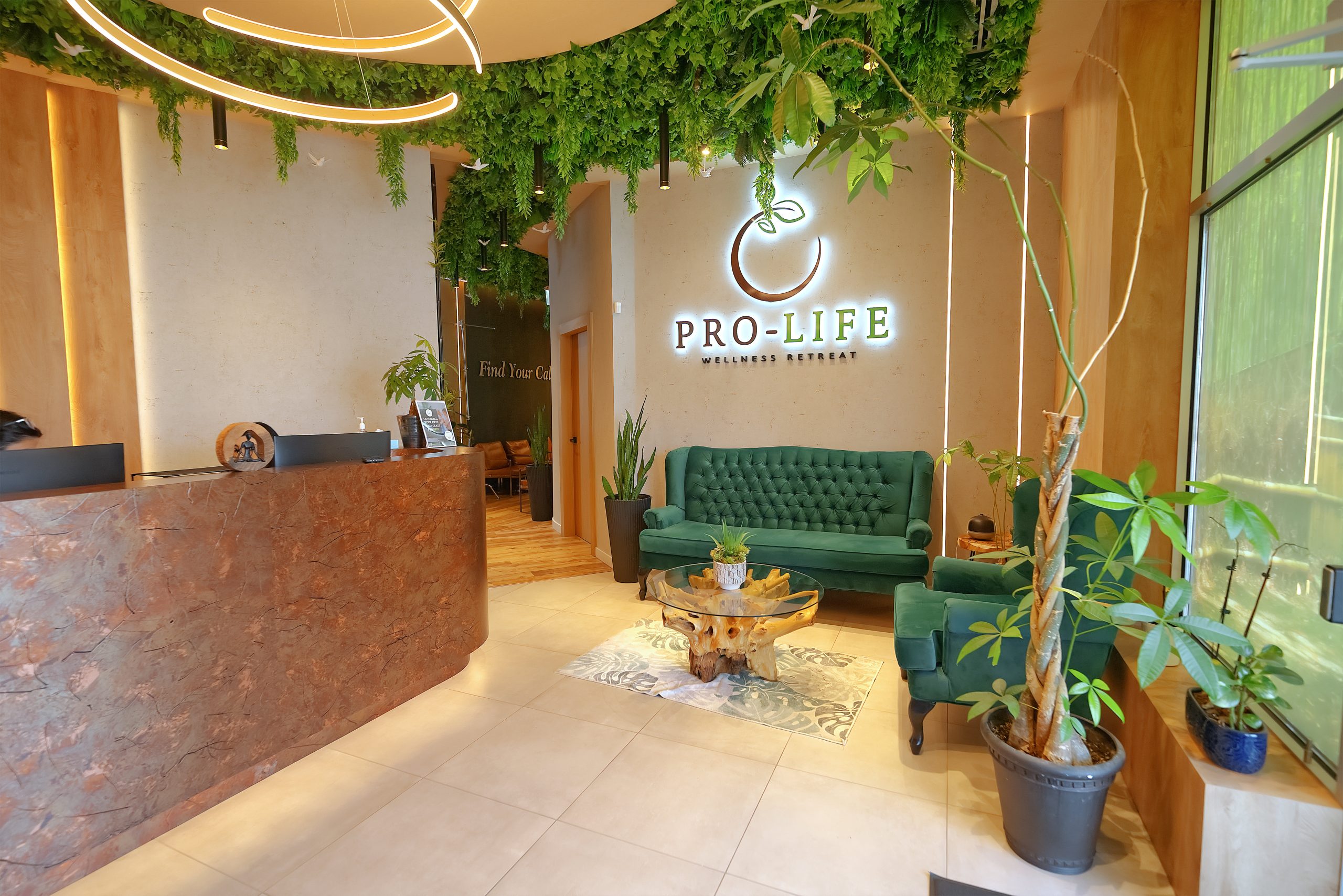
Concussion recovery physiotherapy in Toronto is a specialized approach to healing brain injury by addressing the physical symptoms-dizziness, balance problems, neck tension, and sensitivity to movement-that often persist long after the initial impact. At Pro-Life Wellness Retreat in Scarborough, our physiotherapists combine hands-on treatment with progressive exercise protocols to restore stability, rebuild confidence, and safely guide patients back to their normal routines across the Greater Toronto Area including Markham and Ajax.
This guide walks you through the key stages of concussion recovery, from your initial assessment to your return to physical activity. You will learn what to expect at each phase and how working with a skilled physiotherapy team can accelerate healing and prevent recurring symptoms.
Step 1: Get a Comprehensive Concussion Assessment
Your first appointment should include a full history of your injury, a detailed review of your current symptoms, and objective testing of your balance, eye tracking, neck mobility, and reaction to movement. At Pro-Life Wellness Retreat, our physiotherapists perform standardized balance and vestibular screening to measure how your inner ear and brain are coordinating-a critical piece of the puzzle that many initial emergency assessments miss. We also assess your cervical spine and neck muscles, because whiplash-type forces during concussion often leave the neck stiff and tender, which can worsen dizziness and headache.
Bring any imaging reports, emergency department notes, or previous physiotherapy records to your first visit. Be honest about the timing of your injury, what you were doing when it happened, and which symptoms bother you most right now. The more detail you provide, the more precise our treatment plan will be. This assessment typically takes 45-60 minutes and forms the foundation for everything that follows.
Step 2: Begin Gentle Neck Mobility and Stability Work
In the early phase of concussion recovery, the neck is often overlooked but always involved. Restricted or painful neck movement can trigger or amplify dizziness, headaches, and sensitivity to light and sound. Your physiotherapist will teach you gentle range-of-motion exercises and isometric neck strengthening-movements where you contract muscles without moving your joints-to restore normal function without overwhelming your recovering brain.
These exercises are performed slowly and deliberately, often starting in lying or seated positions where gravity does not add stress. Your physiotherapist may use hands-on therapy-gentle mobilization or soft tissue work-to release tension in the muscles that stabilize your cervical spine. Over the first 1-3 weeks, as your tolerance improves, movements become slightly more dynamic and functional. At Pro-Life Wellness Retreat, we monitor your symptoms closely during and after each session to ensure we are progressing at the right pace for your nervous system's recovery.
Step 3: Address Balance and Vestibular Dysfunction
Many people with concussions experience persistent dizziness or feeling off-balance, even weeks after the injury. This points to vestibular dysfunction-a mismatch between what your inner ear is signaling and what your brain is processing. Vestibular rehabilitation physiotherapy retrains this system through graded exposure to head and body movements that were previously uncomfortable.
Early exercises might include slow head turns while sitting, or walking while focusing on a fixed point. As your system adapts, exercises progress to include head movements combined with eye tracking, balance challenges like standing on foam surfaces, and dynamic activities like walking and turning. This type of targeted training works because it promotes neuroplasticity-your brain's ability to reorganize and form new neural pathways. Recovery timelines vary: some patients feel significantly better within 3-4 weeks, while others require 8-12 weeks of consistent work. The key is consistency and patience; pushing too hard too fast can trigger symptom flare-ups that set progress back.
Step 4: Restore Functional Movement and Build Confidence
Once your balance improves and your neck feels more stable, physiotherapy shifts to restoring the movements and activities that matter in your daily life. This might include returning to desk work without headaches, climbing stairs without dizziness, or preparing to return to sport or fitness. Your physiotherapist at Pro-Life Wellness Retreat designs exercises that mimic real-world demands-reaching, bending, turning, walking on uneven surfaces-so that recovery feels practical and goal-oriented, not abstract.
During this phase, you also begin to reintegrate light aerobic activity under supervision. Research shows that gradual, monitored exercise accelerates concussion recovery when done correctly, but exercise prescribed too aggressively can worsen symptoms. Your physiotherapist will help you find your "symptom threshold"-the level of intensity you can tolerate without triggering a setback-and incrementally increase demands as your tolerance grows. Progress is tracked through standardized tests of balance, reaction time, and functional tasks so that both you and your therapist can see measurable improvement week to week.
Step 5: Clear Return-to-Activity Protocols and Prevent Recurrence
The final phase of concussion recovery focuses on safely returning to the activities you enjoy-whether that is work, sport, fitness, or hobbies-while building resilience against future injury. Your physiotherapist will work with you to establish a graduated return-to-activity plan that includes specific benchmarks you must pass before advancing to the next level. This might look like returning to light training before full competition, or returning to office work a few hours per day before full shifts.
You will also receive education on concussion prevention and management of any lingering symptoms. This includes postural advice, strategies for managing screen time without triggering headaches, exercises to maintain the strength and stability you have regained, and guidance on when it is safe to return to contact sports or high-risk activities. At Pro-Life Wellness Retreat, we emphasize that concussion recovery is not just about symptom relief-it is about restoring confidence and rebuilding your foundation so that future injuries are less likely.
Concussion recovery is not one-size-fits-all. Recovery timelines range from 2 weeks to several months depending on injury severity, your age, prior concussions, and how promptly you begin targeted physiotherapy. Early, expert intervention consistently shortens recovery and reduces the risk of prolonged post-concussion symptoms.
If you are in Toronto, Scarborough, Markham, Ajax, or elsewhere across the Greater Toronto Area and have suffered a concussion, reach out to Pro-Life Wellness Retreat to schedule your assessment. Our team of experienced physiotherapists has spent decades helping patients recover from concussion and return to life with clarity, confidence, and strength. Contact us today to discuss your recovery and get started on the path to feeling like yourself again.
Frequently Asked Questions
How long does concussion recovery physiotherapy typically take?
Recovery timelines vary widely but typically range from 2-8 weeks for most patients, with some experiencing symptoms for up to 12 weeks or longer depending on injury severity, age, and prior concussions. Consistent physiotherapy with expert assessment and progression usually shortens recovery compared to rest alone. Your physiotherapist will re-evaluate every 2-3 weeks to adjust your plan based on your actual progress.
Is physiotherapy safe during concussion recovery, or should I rest completely?
Physiotherapy is not only safe-it is evidence-based treatment for concussion. Complete rest (beyond the first 24-48 hours) often delays recovery and can worsen symptoms. Gradual, monitored movement and targeted exercise promote neuroplasticity and restore balance, vestibular function, and neck stability faster than inactivity alone. The key is working with a physiotherapist who understands concussion and knows how to progress intensity appropriately.
What symptoms does concussion recovery physiotherapy address?
Physiotherapy treats dizziness, balance problems, neck pain and stiffness, headaches, sensitivity to movement, visual tracking difficulties, and fatigue. These symptoms often stem from vestibular dysfunction, cervical spine involvement, and nervous system sensitivity rather than brain damage alone. Hands-on treatment combined with progressive exercise targets the physical root causes, reducing symptoms and improving function.
Can I find concussion recovery physiotherapy in Toronto near me?
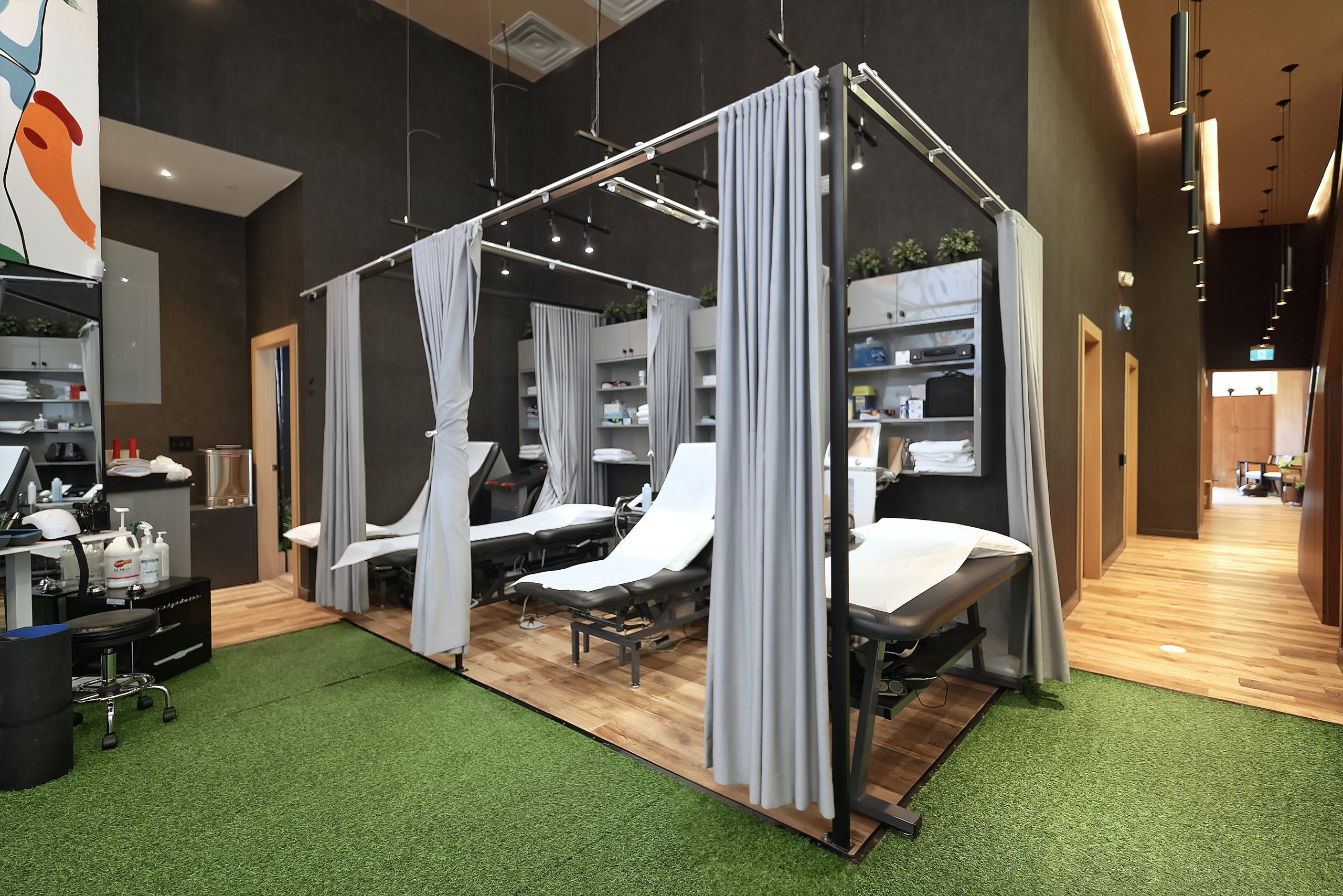
Yes. Pro-Life Wellness Retreat is located in Scarborough and serves patients throughout Toronto and the Greater Toronto Area, including Markham and Ajax. Our physiotherapists specialize in concussion recovery and provide comprehensive assessment and treatment in a clinical setting with advanced diagnostic equipment and a patient-focused approach.
What happens at my first concussion physiotherapy appointment?
Your first visit includes a detailed history of your injury and current symptoms, objective testing of balance, neck mobility, eye tracking, and vestibular function, and a physical examination. Your physiotherapist will explain findings and design a personalized treatment plan tailored to your specific deficits. Plan for 45-60 minutes and bring any imaging reports or prior medical notes.
Do I need a doctor's referral for concussion physiotherapy in Toronto?
Referral requirements vary by insurance and your specific coverage. Most people can self-refer directly to Pro-Life Wellness Retreat without a doctor's prescription, though your family physician can provide one if requested. Check with your insurance provider about coverage; many plans reimburse physiotherapy for concussion. Our clinic is happy to discuss payment and insurance options when you call to book.
What makes us unique
Personalized Treatment
You will receive a full individualized treatment
Licensed Therapists
Your treatment will only be performed by licensed therapists
Experienced Staff
Our best massage clinic therapists are trained and certified in therapy technique
Therapy Goals
Setting goals is the best way to enjoy a successful outcome
Wellness & Rehab
You will receive a full individualized treatment.
Visit our Location
Prolife Wellness Retreat
2250 Markham Road, Unit 3, Scarborough ON M1B 2W4