Float Therapy Scarborough
Float therapy in Scarborough is an immersive relaxation treatment in which you float in a specially designed tank filled with salt water at skin temperature, in complete darkness and silence, allowing your nervous system to shift into a parasympathetic state while your muscles decompress and recover.
At Prolife Wellness Retreat in Scarborough, float therapy complements our comprehensive approach to pain relief and rehabilitation. Whether you are recovering from injury, managing chronic tension, or seeking deep recovery after intensive training, understanding how to prepare for and engage with this therapy will help you achieve maximum benefit. This guide walks you through each stage of the process, from initial consultation through post-float integration, so you can approach your session with confidence and clear expectations.
Step 1: Schedule a Consultation and Confirm Your Eligibility
Contact Prolife Wellness Retreat in Scarborough to book a float therapy session and discuss your health history with our clinical team. During this conversation, be transparent about any recent injuries, skin conditions, open wounds, or medical conditions that might affect your safety in the float environment. Certain medications, ear infections, or active skin conditions may require modification or postponement of your session.
Our team will ask about your treatment goals-whether you are seeking pain management, stress relief, athletic recovery, or neurological reset-so they can tailor recommendations to your needs. This consultation ensures that float therapy is appropriate for you and that any complementary treatments, such as physiotherapy or registered massage therapy, are coordinated appropriately with your float sessions.
Step 2: Understand the Float Tank Environment and Specifications
Familiarize yourself with what a float tank is and how it functions. A standard float tank contains approximately 10 inches of water saturated with 1,200 pounds of Epsom salt, creating a density that makes your body naturally buoyant without effort. The water is maintained at 93.5 degrees Fahrenheit-precisely skin-neutral temperature-so your nervous system does not register heat or cold signals. The tank is completely lightproof and soundproof, removing external stimuli that would otherwise demand your attention.
The high salt concentration is not arbitrary; it serves a therapeutic purpose. Epsom salt provides magnesium and sulfate, minerals that absorb through your skin and may reduce muscle tension and support recovery. The buoyancy eliminates gravitational load on your spine and joints, which is why float therapy is often recommended alongside physiotherapy in Scarborough for patients managing back pain or post-injury rehabilitation. Your body remains fully supported with zero pressure points, allowing muscles to relax completely.
Step 3: Manage Your Schedule and Timing Before Your Session
Plan your float session for a time when you can approach it unhurried. Avoid scheduling a float immediately before or after intense activity, important meetings, or situations requiring sharp decision-making. Float therapy induces a deeply relaxed state; you will emerge in a calm, introspective condition, and returning to high-stress activity too quickly can diminish the benefits.
Most practitioners recommend a session duration of 60 to 90 minutes for optimal results. A 60-minute float allows your mind to settle and your parasympathetic nervous system to fully activate, typically around the 20 to 30-minute mark. If you are new to floating, 60 minutes is a good starting point; longer sessions can be explored once you are familiar with the experience. Avoid eating a large meal within 90 minutes of your float, as digestion diverts parasympathetic resources and may cause discomfort while horizontal.
Step 4: Prepare Your Body and Address Pre-Float Hygiene
On the day of your float, shower thoroughly before entering the tank. This step removes deodorant, lotions, oils, and other residues that would otherwise enter the float water and compromise its integrity for future users. Pay particular attention to your scalp, armpits, groin, and any body creases where product residue accumulates.
If you have any small cuts, scrapes, or scratches, inform Prolife Wellness Retreat staff. The salt water will cause temporary stinging in open wounds, though this is not harmful; you may choose to apply petroleum jelly to minor cuts before floating. If you have recently shaved, wait at least several hours before floating to allow your skin barrier to fully recover. Do not apply sunscreen, insect repellent, or other topical products on the day of your float. If you wear contact lenses, remove them beforehand; salt water will damage them and may irritate your eyes if contacts shift during floating.
Step 5: Manage Expectations and Mental Preparation
Understand that float therapy is not meditation, though it facilitates a meditative state. You are not required to do anything during your float-no breathing exercises, visualization, or mental work. Your job is simply to float and allow your nervous system to downregulate naturally. Some people experience vivid imagery, time distortion, or emotional release; others experience peaceful blankness. All responses are normal and valuable.
If you have never floated before, your first session may feel unfamiliar or even slightly uncomfortable as your mind adjusts to the absence of sensory input. Your brain may initially interpret the silence and darkness as unusual rather than restful. This sensation typically resolves within 10 to 15 minutes as your nervous system recognizes safety. Prolife Wellness Retreat provides an emergency button inside the tank and a call system if you need assistance at any point, so you can float with confidence.
Step 6: Enter the Tank and Establish Your Position
When you enter the tank, the water will feel warm and noticeably denser than a swimming pool. Your body will float automatically without any effort on your part. Most people lie on their back with their head relaxed and arms at their sides, palms up or down according to comfort. Your heels, the back of your head, and your lower back will naturally rest slightly below the water surface while your chest and upper abdomen remain at or slightly above it.
If you prefer, you may float face-down using a neck float or float prone on your back with your head supported. Experiment gently during the first few minutes to find your most comfortable position. Because the water is skin-neutral and completely supporting, micro-adjustments require minimal effort. Once you settle into position, resist the urge to fidget or reposition frequently; allow your body to fully relax into the buoyancy. Within minutes, the distinction between your body and the water will blur, and you may lose awareness of where your skin ends and the solution begins-this dissolution of sensory boundary is a signature experience of floating.
Step 7: Release Conscious Control and Allow Neural Downregulation
During the float, your parasympathetic nervous system-the branch responsible for rest, digestion, and recovery-will gradually activate as external stimuli cease. This shift is not something you must force or achieve; it happens automatically when your nervous system no longer detects threat or demand. Your heart rate will slow, your breathing will deepen and become more regular, and your blood pressure will drop.
If thoughts, sensations, or emotions arise, observe them without judgment and allow them to pass. Your mind may cycle through mental chatter, worry, or planning; this is normal neurological activity and is not a sign that you are floating incorrectly. Gradually, mental noise will settle, and you may experience extended periods of quiet awareness. Some floaters report that solutions to persistent problems emerge spontaneously during or after a float, not because they were consciously problem-solving, but because their unconscious mind operates more freely in the absence of external demand.
Step 8: Use Sound Cues and Exit Mindfully
Prolife Wellness Retreat will signal the end of your session with a gentle sound cue, typically soft music or a tone that gradually increases in volume. This alert gives you time to transition from deep relaxation back to ordinary awareness. Take a moment to simply sit or float in place, allowing your consciousness to fully return before moving toward the exit.
When you are ready, slowly sit up and carefully exit the tank. The transition from weightlessness to gravity can feel surprising if you move too quickly. Many floaters experience a temporary sensation of lightness or altered proprioception-a sense that your limbs weigh less than usual or feel slightly unfamiliar. This sensation is harmless and resolves within minutes. Step carefully from the tank, and return to the shower to rinse away salt residue from your skin and hair. Pat yourself dry gently and take time to dress slowly without rushing.
Step 9: Integrate and Maximize Post-Float Benefits
The 30 to 60 minutes after your float is an integration window during which the benefits of your session are strongest. Avoid immediately checking your phone, drinking caffeine, or engaging in demanding cognitive work. Instead, hydrate with water, sit quietly, and allow the calm, centered state to settle more deeply into your nervous system.
Many floaters report improved sleep quality, reduced muscle tension, and clearer thinking in the hours and days following a float. To sustain these benefits, avoid jarring transitions-do not go directly from your float into traffic, a high-stress meeting, or intensive exercise. If you are combining float therapy with other therapies such as physiotherapy or registered massage therapy in Scarborough, space these sessions appropriately or coordinate them with Prolife Wellness Retreat's clinical team so that recovery protocols do not conflict.
Step 10: Establish a Sustainable Float Schedule
Float therapy benefits accumulate over time. A single float provides immediate relaxation and mild recovery benefits; consistent floating-typically weekly or biweekly sessions over several weeks-produces deeper nervous system reset and more sustained pain relief. Work with Prolife Wellness Retreat to determine the schedule that fits your recovery goals and lifestyle.
Many patients benefit from monthly maintenance floats after completing an initial series, particularly if they are managing chronic pain, high stress levels, or recovery from injury. Float therapy pairs well with other evidence-based treatments offered at Prolife Wellness Retreat, including chiropractic care, registered massage therapy, and spinal decompression therapy. Your clinician can advise on optimal sequencing and frequency based on your specific condition and response to treatment.
If you are ready to begin float therapy as part of your comprehensive wellness plan in Scarborough, Prolife Wellness Retreat's experienced team is ready to support your recovery. Reach out to learn more about availability and how float therapy can complement your existing treatment approach.
Frequently Asked Questions
Is float therapy in Scarborough safe for people with high blood pressure or heart conditions?
Float therapy is generally safe for cardiovascular patients because it reduces heart rate and blood pressure; however, you must disclose your condition to Prolife Wellness Retreat before your first session so our team can review any contraindications with your physician. The deep parasympathetic activation during floating can be therapeutic for stress-related hypertension, but individual medical clearance is essential.
How much does float therapy cost in Scarborough?
Pricing for float therapy in Scarborough varies by session duration and package options. Contact Prolife Wellness Retreat directly for current rates and any introductory packages for first-time floaters. Many clinics offer discounted rates for multi-session packages, which also increase the cumulative therapeutic benefit.
Can float therapy help with athletic recovery and muscle soreness?
Yes. The magnesium absorption and gravitational unloading during float therapy reduce inflammation and muscle tension, making it valuable for athletes and active individuals. Many fitness enthusiasts use regular floating to accelerate recovery between training sessions and alongside physiotherapy in Scarborough for injury prevention and rehabilitation.
What makes us unique
Personalized Treatment
You will receive a full individualized treatment
Licensed Therapists
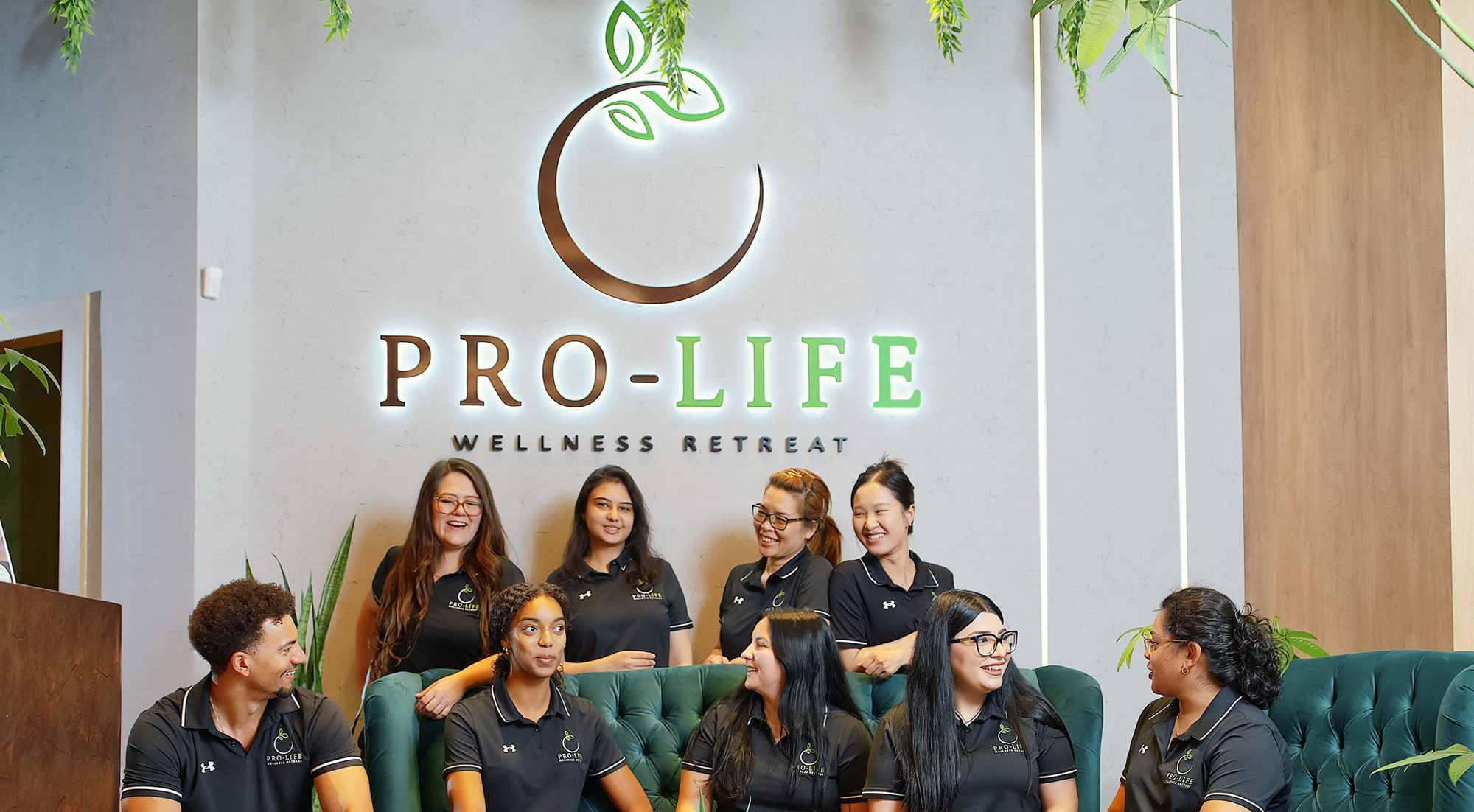
Your treatment will only be performed by licensed therapists
Experienced Staff
Our best massage clinic therapists are trained and certified in therapy technique
Therapy Goals
Setting goals is the best way to enjoy a successful outcome
Wellness & Rehab
You will receive a full individualized treatment.
Visit our Location
Prolife Wellness Retreat
2250 Markham Road, Unit 3, Scarborough ON M1B 2W4