Physiotherapy Ajax
Physiotherapy in Ajax is a clinical intervention combining manual therapy, therapeutic exercise, and patient education to restore function, reduce pain, and prevent re-injury across the lifespan.
Ajax residents seeking rehabilitation after injury, surgery, or chronic pain now have access to comprehensive physiotherapy services through Prolife Wellness Retreat, a multi-disciplinary wellness clinic serving the Greater Toronto Area since 2012. The clinic's physiotherapy team-drawing on over 50 years of combined clinical experience-addresses the root mechanical and neuromuscular causes of dysfunction rather than treating symptoms in isolation. This evidence-based approach is particularly valuable in Ajax, a community of active professionals, families, and retirees who need to return to work, sport, and daily living as quickly and safely as possible.
Whether you are recovering from a motor vehicle accident, managing a workplace injury covered by WSIB, rehabilitating post-surgery, or addressing chronic pain from postural strain, physiotherapy offers specific, measurable pathways to recovery. Prolife Wellness Retreat combines hands-on treatment with advanced diagnostic assessment and patient-centered education, ensuring that each Ajax client understands their condition and the mechanics of their own healing.
What Physiotherapy Treats and How It Works
Physiotherapy in Ajax addresses a broad spectrum of musculoskeletal, neurological, and post-surgical conditions using a systematic diagnostic and treatment methodology. The process begins with a comprehensive assessment: the physiotherapist evaluates range of motion, strength, proprioception, movement patterns, and functional capacity using standardized measures and clinical reasoning. This diagnostic clarity is essential because identical pain presentations often stem from different underlying mechanical faults.
Common conditions treated through physiotherapy include:
- Acute and chronic back pain, including disc herniation and spinal dysfunction
- Neck pain and cervicogenic headaches from postural or traumatic causes
- Shoulder impingement, rotator cuff strain, and frozen shoulder
- Knee ligament injuries, meniscal pathology, and osteoarthritis
- Ankle sprains and proprioceptive deficits
- Post-operative rehabilitation (joint replacement, ligament repair, arthroscopy)
- Motor vehicle accident recovery involving whiplash and soft tissue injury
- Workplace injury management and functional capacity restoration
- Pelvic floor dysfunction affecting continence, pain, and sexual function
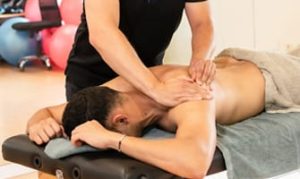
Once assessment is complete, the physiotherapist designs a treatment plan integrating manual techniques-soft tissue mobilization, joint mobilization, and myofascial release-with therapeutic exercise prescription. The exercise component is crucial: it restores motor control, builds strength in stabilizing muscles, and retrains movement patterns to prevent recurrence. Prolife Wellness Retreat's approach emphasizes patient education throughout this process. You learn why your injury occurred, how your body is healing, what movements are safe, and how to modify activities so you regain independence without re-injury.
Treatment frequency and duration vary. Acute injuries in Ajax typically require 2-3 sessions per week for 4-8 weeks, while chronic conditions or post-surgical rehabilitation may extend 8-12 weeks. Progress is tracked through objective measures-range of motion, strength testing, functional movement quality-not subjective feeling alone. This precision ensures that treatment remains focused and that barriers to recovery are identified and addressed promptly.
Specialized Services Available in Ajax
Beyond general physiotherapy, Prolife Wellness Retreat offers specialized modalities that address specific, complex conditions common among Ajax's diverse population.
Pelvic Floor Physiotherapy represents a subspecialty within the discipline, treating dysfunction in the muscles, ligaments, and fascia that support pelvic organs. This service addresses incontinence (stress, urge, or mixed), pelvic pain, painful intercourse, post-partum recovery, and dysfunction following pelvic surgery. The assessment uses external and internal palpation to identify muscle tension, weakness, or neural hypersensitivity. Treatment combines manual techniques-myofascial release, trigger point release-with targeted exercise and behavioral strategies such as bladder retraining or activity modification.
Spinal Decompression Therapy is a mechanized intervention for discogenic pain-pain arising from intervertebral disc pathology. The equipment gently applies longitudinal traction under computer control, creating negative intradiscal pressure that may promote rehydration of degenerated discs and relieve nerve root compression. While not suitable for all spinal conditions, this modality offers a non-invasive alternative for patients with documented disc herniation or stenosis who have not responded adequately to conservative care. A physiotherapist determines candidacy through assessment.
Ajax clients also benefit from integrated care: physiotherapy is often combined with registered massage therapy to address soft tissue restriction, or with chiropractic care to optimize spinal alignment and joint mechanics. This multi-modal approach, coordinated within a single clinic, streamlines your recovery and ensures that all practitioners understand your condition and treatment goals.
The table below outlines how physiotherapy compares to related manual therapies in scope and application:
| Discipline | Primary Focus | Key Methods | Best For |
|---|---|---|---|
| Physiotherapy | Functional restoration and movement re-education | Exercise prescription, manual therapy, neuromuscular retraining | Injury recovery, post-surgery, chronic pain with functional limitation |
| Registered Massage Therapy | Soft tissue mobilization and relaxation | Soft tissue manipulation, trigger point release | Muscle tension, circulation, pain relief adjunct to physiotherapy |
| Chiropractic Care | Spinal alignment and joint mechanics | Spinal adjustment, mobilization, ergonomic counseling | Vertebral misalignment, joint dysfunction, preventive spine health |
Many Ajax residents find that combining these services accelerates recovery and addresses complementary aspects of their condition. Prolife Wellness Retreat's practitioners coordinate care so that each modality enhances the others.
Practical recommendations for anyone considering physiotherapy include: first, seek a proper diagnosis if you have not received one-imaging or specialist assessment clarifies whether physiotherapy is appropriate or whether other intervention is needed first. Second, commit to the exercise program. Research consistently shows that patient adherence to prescribed home exercise is the strongest predictor of recovery outcomes. Third, communicate openly with your physiotherapist about what matters most to you-returning to sport, managing pain without medication, or regaining independence in daily tasks-so that your treatment plan prioritizes your functional goals.
If you are experiencing pain, mobility loss, or functional limitation following injury, surgery, or chronic condition, physiotherapy at Prolife Wellness Retreat offers evidence-based assessment and treatment delivered by experienced clinicians. The clinic serves Ajax and the surrounding Greater Toronto Area, including Scarborough, Markham, and beyond. To explore whether physiotherapy is right for your situation, reach out to Prolife Wellness Retreat to discuss your needs and arrange an initial consultation.
Frequently Asked Questions
What conditions can physiotherapy treat in Ajax?
Physiotherapy treats a wide range of musculoskeletal and post-surgical conditions including back and neck pain, shoulder injuries, knee ligament damage, ankle sprains, post-operative recovery, motor vehicle accident injuries, workplace injuries, and pelvic floor dysfunction. A physiotherapist assesses your specific condition to determine whether physiotherapy is appropriate.
How long does physiotherapy treatment typically take?
Acute injuries usually require 2-3 sessions per week for 4-8 weeks, while chronic conditions or post-surgical rehabilitation may extend 8-12 weeks. Recovery duration depends on the severity of injury, your age and health status, and your adherence to home exercises. Your physiotherapist will provide a realistic timeline after the initial assessment.
Is physiotherapy covered by insurance in Ajax?
Coverage depends on your specific insurance plan and policy. Some extended health benefits cover physiotherapy; WSIB claims cover physiotherapy for work-related injuries; and automobile insurance may cover treatment for motor vehicle accident injuries. Contact Prolife Wellness Retreat or your insurance provider to clarify your coverage before scheduling.
What is the difference between physiotherapy and massage therapy?
Physiotherapy focuses on functional restoration through exercise prescription, movement re-education, and hands-on therapy to address the cause of dysfunction. Massage therapy primarily addresses soft tissue tension and promotes relaxation. Many people benefit from both: massage reduces tissue restriction while physiotherapy restores strength and movement patterns.
Do I need a doctor's referral to see a physiotherapist in Ajax?
In Ontario, you can access physiotherapy directly without a physician referral, though some insurance plans or employer benefits may require one for coverage. A physiotherapist can assess whether your condition is appropriate for physiotherapy or whether medical investigation is needed first.
What is pelvic floor physiotherapy and who needs it?
Pelvic floor physiotherapy treats dysfunction in the muscles and tissues supporting pelvic organs, addressing incontinence, pelvic pain, painful intercourse, and post-partum recovery. It is appropriate for anyone experiencing these symptoms; assessment involves external and internal evaluation to identify muscle tension, weakness, or other dysfunction.
Can physiotherapy help with chronic pain, or is it only for recent injuries?
Physiotherapy is effective for both acute and chronic pain. Chronic pain often involves movement dysfunction and neural sensitization that physiotherapy can specifically address. Treatment may differ from acute injury care, focusing on gradual loading, movement retraining, and functional recovery rather than immediate pain relief.
What makes us unique
Personalized Treatment
You will receive a full individualized treatment
Licensed Therapists
Your treatment will only be performed by licensed therapists
Experienced Staff
Our best massage clinic therapists are trained and certified in therapy technique
Therapy Goals
Setting goals is the best way to enjoy a successful outcome
Wellness & Rehab
You will receive a full individualized treatment.

Visit our Location
Prolife Wellness Retreat
2250 Markham Road, Unit 3, Scarborough ON M1B 2W4