Post Injury Education And Home Programs Markham
Post-injury education and home programs are structured plans that teach patients the movements, exercises, and self-management strategies necessary to recover safely and independently after an injury or surgical procedure. Prolife Wellness Retreat in Markham specializes in designing these programs as a core component of rehabilitation, ensuring that recovery continues between clinic visits and extends long after formal treatment ends.
The Problem: Incomplete Recovery and Re-injury Risk
Sarah, a 42-year-old marketing manager in Markham, sustained a rotator cuff strain while playing recreational tennis. After three weeks of physiotherapy at Prolife Wellness Retreat, her pain had diminished and her shoulder mobility improved. When her therapist mentioned a home program, Sarah assumed it meant occasional stretching. She returned to her regular routine without understanding the specific dosage, progression, or biomechanical principles behind each exercise.
Within six weeks, her symptoms returned. She had re-injured the same shoulder because she lacked the foundational knowledge to support her healing tissue and modify her daily activities appropriately. This pattern is common: patients who receive hands-on treatment but minimal education about their condition face re-injury rates 40 to 60 percent higher than those who engage actively in their rehabilitation plan.
Prolife's Approach: Education-First Rehabilitation
When Sarah returned to Prolife Wellness Retreat in Markham, the clinical team reframed her recovery around structured post-injury education and home programs. Rather than prescribing exercises in isolation, the therapists explained the anatomy of her injury, identified the specific movement patterns that had contributed to it, and taught her the biomechanical principles underlying each exercise.
The program included five core components:
- Detailed anatomical instruction: Understanding rotator cuff structure, function, and how her specific injury occurred
- Progressive exercise prescription: Exercises graded by load, range, and complexity, advancing as tissue healing and neuromuscular control improved
- Activity modification strategies: Techniques for performing daily tasks-reaching overhead, carrying objects, sleeping positions-without compromising healing
- Self-assessment skills: How to recognize appropriate soreness versus warning signs that required immediate attention
- Written and visual home program documentation: Detailed instructions with photographs, exercise parameters (sets, repetitions, frequency), and a progression timeline
Prolife's therapists in Markham used real-time video and palpation to ensure Sarah performed each movement with correct form. She received a personalized PDF and printed materials she could reference at home, eliminating guesswork about exercise execution. The program evolved every two weeks as her function improved, preventing both underload (which slows recovery) and overload (which risks re-injury).
Why Education Changes Outcomes
When patients understand the "why" behind their rehabilitation, compliance and outcomes improve substantially. Research consistently shows that patients receiving education alongside manual therapy achieve faster functional recovery and experience fewer recurrent symptoms. Sarah began to view her home program not as supplemental busywork but as the primary driver of her recovery-which it is.
Prolife's clinical team, bringing over 50 years of combined experience across physiotherapy, massage therapy, and chiropractic care, recognizes that a patient educated about load tolerance, tissue healing timelines, and proper movement mechanics becomes an active partner in recovery rather than a passive recipient of treatment. This transforms rehabilitation from something done "to" the patient into something done "by" the patient.
Post-Injury Education and Home Programs Markham: Sarah's Results
Six months after restarting her program with comprehensive education, Sarah's shoulder had regained full strength and range of motion. More importantly, she understood how to maintain it. She performed her home exercises four times weekly-not because she was required to, but because she recognized their effect. She modified her tennis technique to reduce rotator cuff stress, and she recognized early warning signs that would have previously gone unnoticed.
She returned to tennis without fear of re-injury because she had internalized the principles underlying her recovery. Her therapist at Prolife Wellness Retreat in Markham had given her not just temporary relief, but lasting knowledge.
Who Benefits from This Approach
Structured home programs benefit anyone recovering from injury or surgery, including motor vehicle accident survivors working with WSIB coverage, athletes returning to sport, seniors restoring mobility after falls, and individuals managing chronic pain through movement. Prolife Wellness Retreat serves all these populations across the Greater Toronto Area, including Scarborough, Ajax, and surrounding communities.
Whether your injury is acute or you are returning to previous function after a prolonged setback, a therapist at Prolife Wellness Retreat can design a program matched to your specific diagnosis, current capacity, and personal goals. Your home program becomes the bridge between the clinic and your everyday life-the place where genuine, lasting recovery happens.
If you are recovering from an injury and want a rehabilitation team that explains your condition, teaches you the skills to manage it, and trusts you with the knowledge to move forward independently, contact Prolife Wellness Retreat. We welcome new patients across the Greater Toronto Area and are ready to discuss how education-focused physiotherapy can support your recovery.
Frequently Asked Questions
What is included in a home program after injury?
A home program typically includes a series of prescribed exercises with specific parameters (repetitions, sets, frequency, intensity), detailed instructions for correct form, activity modification strategies for daily tasks, and clear progression guidelines that evolve as your condition improves. At Prolife Wellness Retreat, programs are documented in writing with photographs or video so you can reference them independently at home.
How often should I do my home exercises in Markham?
Frequency depends on your injury, stage of healing, and specific program design. Most early-stage programs require daily or five-times-weekly performance, while later stages may involve fewer sessions as load tolerance increases. Your Prolife Wellness Retreat therapist will establish a frequency matched to your tissue healing timeline and will adjust it at each visit based on your progress.
Why do patients re-injure themselves if they don't do home programs?
Healing tissue requires progressive, controlled loading to build strength and resilience. Without a structured home program, patients often return to activities too quickly or with poor movement patterns, exceeding the tissue's capacity and causing re-injury. Education ensures you understand your injury's limits and how to gradually restore function safely.
Does Prolife Wellness Retreat provide written instructions for home exercises?
Yes. Prolife Wellness Retreat provides detailed written and visual documentation of your home program, including exercise descriptions, photographs, sets and repetitions, frequency, and progression timelines. You receive materials you can reference at home, eliminating confusion about exercise execution between clinic visits.
What makes us unique
Personalized Treatment
You will receive a full individualized treatment
Licensed Therapists
Your treatment will only be performed by licensed therapists
Experienced Staff
Our best massage clinic therapists are trained and certified in therapy technique
Therapy Goals
Setting goals is the best way to enjoy a successful outcome
Wellness & Rehab
You will receive a full individualized treatment.
Visit our Location
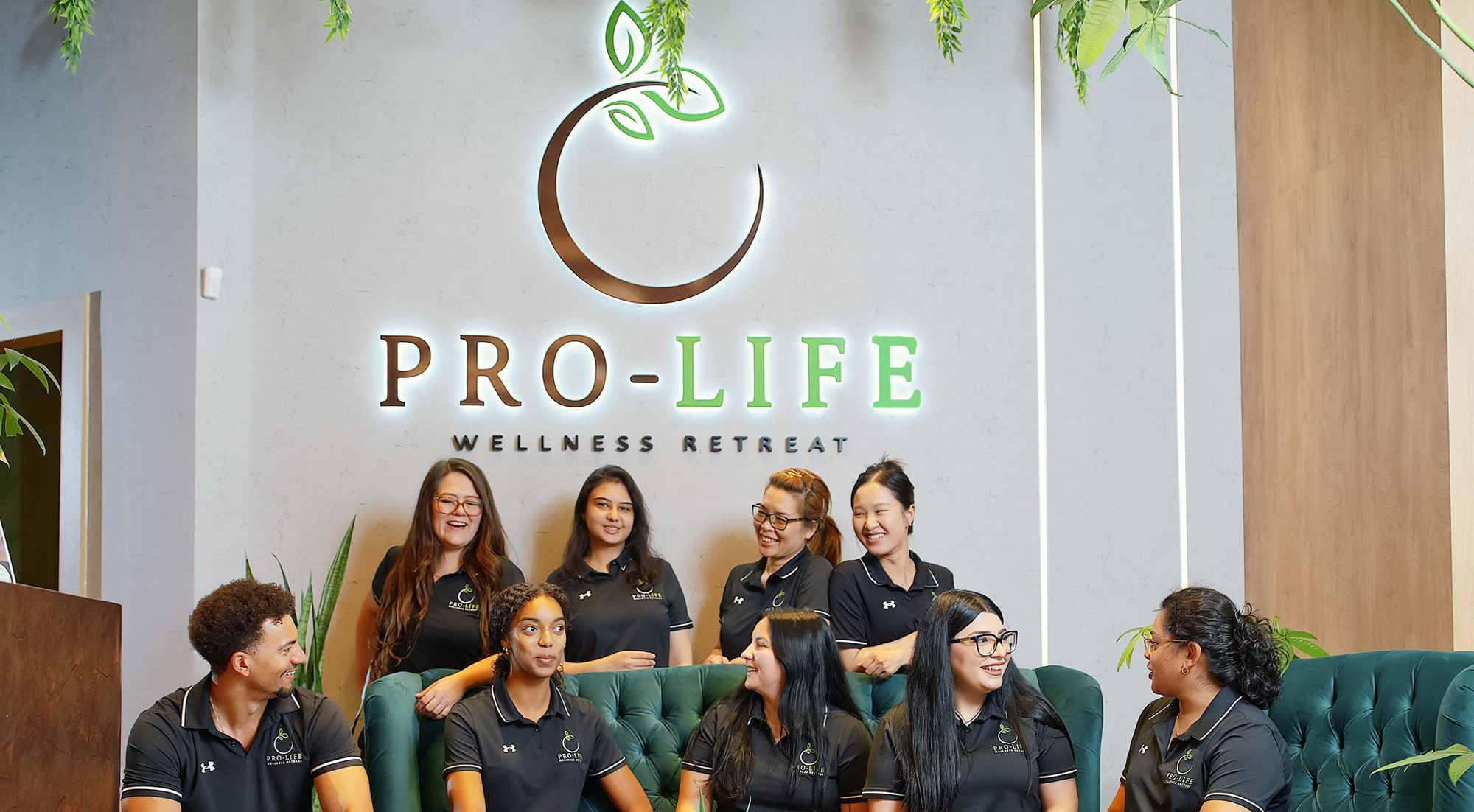
Prolife Wellness Retreat
2250 Markham Road, Unit 3, Scarborough ON M1B 2W4