Sensory Deprivation Therapy Greater Toronto Area
Sensory deprivation therapy in the Greater Toronto Area is a controlled relaxation technique where patients float in a lightless, soundproof tank filled with highly saline water, eliminating external sensory input to promote deep recovery and pain relief. Prolife Wellness Retreat in Scarborough integrates this modality alongside physiotherapy, registered massage therapy, and chiropractic care to address pain, mobility limitations, and stress-related tension across the GTA, including Markham and Ajax.
For active adults managing chronic pain, seniors restoring mobility after injury, and individuals recovering from motor vehicle accidents or workplace injuries, understanding the options available in Scarborough and surrounding areas is essential. This comparison examines sensory deprivation therapy approaches, their clinical applications, and how they fit within a comprehensive wellness strategy.
How Sensory Deprivation Therapy Works and What to Expect
Sensory deprivation therapy operates on the principle of restricted environmental stimulation therapy (REST). The patient floats in an enclosed tank containing water saturated with 1,200 pounds of Epsom salt, creating neutral buoyancy. This eliminates gravitational stress on the spine and joints while darkness and sound isolation reduce external sensory input, allowing the nervous system to shift from sympathetic (fight-or-flight) to parasympathetic (rest-and-digest) activation.
During a typical 60-minute session, several physiological responses occur:
- Blood pressure and cortisol levels decrease, reducing stress markers
- Endorphin and serotonin production increases, supporting pain modulation
- Muscle tension relaxes due to weightlessness and magnesium absorption through the skin
- Brain wave activity shifts toward theta rhythms, associated with deep relaxation and mental clarity
Patients in Scarborough, Markham, and Ajax seeking this therapy typically experience cumulative benefits-single sessions provide temporary relief, while a series of 10 to 15 sessions produces measurable improvements in pain levels, sleep quality, and stress resilience. Prolife Wellness Retreat combines float therapy with hands-on physiotherapy and massage therapy to address both the neurological and musculoskeletal components of pain, rather than treating symptoms in isolation.
Sensory Deprivation Therapy Approaches: Clinical-Grade vs. Wellness-Focused Models
Not all sensory deprivation therapy providers operate at the same level of clinical integration. A comparison of the two primary models clarifies what patients in the Greater Toronto Area should expect:
| Approach | Integration Level | Patient Assessment | Best For |
|---|---|---|---|
| Clinical-Grade (Integrated Model) | Part of comprehensive rehabilitation plan with physiotherapy, massage, chiropractic input | Pre- and post-session evaluation by licensed practitioners; outcome tracking | Post-injury recovery, chronic pain, WSIB claims, conditions requiring multi-modal care |
| Wellness-Focused (Standalone Model) | Float therapy as independent relaxation service | Minimal clinical assessment; emphasis on stress relief and general wellness | Stress management, athletic recovery optimization, general relaxation |
Prolife Wellness Retreat operates using the clinical-grade, integrated model. Because the team includes physiotherapists, registered massage therapists, and chiropractors with over 50 years of combined clinical experience, they assess each patient's underlying condition before recommending float therapy. For someone in Scarborough recovering from a motor vehicle accident, for example, sensory deprivation therapy becomes one layer of a larger strategy that may include spinal decompression therapy, hands-on physiotherapy, and massage therapy to restore function and address root causes rather than masking symptoms.
Who Benefits Most: Conditions and Patient Profiles in Scarborough and the GTA
Research supports sensory deprivation therapy for specific conditions common among the active adult, senior, and injured populations served across Scarborough, Markham, and Ajax. Evidence-based applications include:
- Chronic musculoskeletal pain: Neck pain, lower back pain, and joint stiffness improve when float therapy reduces muscle tension and cortisol levels, allowing tissue healing to proceed
- Post-injury rehabilitation: Individuals recovering from motor vehicle accidents or workplace injuries (including WSIB cases) benefit from the pain relief and nervous system regulation sensory deprivation provides, accelerating tolerance for active physiotherapy
- Athletic performance and recovery: Fitness enthusiasts use float therapy to accelerate muscle recovery, reduce inflammation, and support parasympathetic nervous system repair after high-intensity training
- Stress-related tension and postural dysfunction: Professionals with desk-based work experience measurable reductions in upper trapezius tension, headaches, and anxiety when float therapy is combined with postural assessment and massage therapy
- Sleep disorders and anxiety: Seniors and adults with disrupted sleep or anxiety-related conditions show improvement in sleep latency and quality after regular float sessions
The key distinction is clinical context. Prolife Wellness Retreat does not recommend float therapy as a standalone solution. Instead, practitioners assess your condition-whether you are managing chronic pain, recovering from injury, or seeking stress relief-and position sensory deprivation therapy within a larger treatment plan that may include physiotherapy, massage therapy, or chiropractic care. This approach ensures the therapy addresses your specific needs rather than offering generic relaxation.
If you are experiencing pain, mobility limitations, injury recovery needs, or stress-related physical tension in Scarborough or the Greater Toronto Area, Prolife Wellness Retreat can help you understand whether sensory deprivation therapy fits your goals alongside other evidence-based care. Reach out to discuss your situation and learn how our integrated approach has served thousands of patients across Markham, Ajax, and the wider region.
Frequently Asked Questions
Is sensory deprivation therapy covered by insurance in Scarborough or the GTA?
Coverage varies by insurance plan and provider. Many extended health plans cover sensory deprivation therapy if it is prescribed as part of a clinical rehabilitation program by a licensed practitioner. Prolife Wellness Retreat can provide documentation supporting claims; contact them directly to discuss your specific insurance coverage and what documentation may be required.
How often should I do sensory deprivation therapy for pain relief?
Frequency depends on your condition and treatment goals. For acute pain or injury recovery, 2 sessions per week for 8 to 10 weeks is common; for chronic pain management, weekly or biweekly sessions often maintain benefits. Prolife Wellness Retreat tailors a schedule based on your clinical assessment and response, tracking outcomes to ensure the therapy is delivering measurable progress.
What makes sensory deprivation therapy different from a massage or physiotherapy session?
Sensory deprivation therapy works through nervous system regulation and gravity elimination, reducing pain signals and promoting parasympathetic recovery. Massage therapy and physiotherapy use manual techniques to address tissue and movement dysfunction directly. When combined-as Prolife Wellness Retreat integrates them-the therapies reinforce each other: float therapy prepares the nervous system and reduces muscle guarding, making subsequent hands-on treatment more effective and comfortable.
Can I use sensory deprivation therapy if I have claustrophobia or anxiety?
Claustrophobia is a genuine concern for some patients. Modern float tanks are spacious (8 feet long, 5 feet wide), and you control entry, exit, and the tank door-it does not lock. If you have anxiety, Prolife Wellness Retreat discusses this during your initial assessment; many anxious patients adapt after one or two guided sessions, but the therapy is not forced. Alternative stress-reduction modalities are available if floating is not right for you.
How long does it take to feel results from sensory deprivation therapy?
Most patients report immediate relaxation and reduced muscle tension after a single 60-minute session. Measurable pain reduction, improved sleep, and stress resilience typically develop over 5 to 10 sessions. Because results are cumulative and depend on your baseline condition, Prolife Wellness Retreat tracks your progress and adjusts the treatment plan to optimize outcomes.
Is sensory deprivation therapy available in Scarborough, or do I need to travel elsewhere in the GTA?
Prolife Wellness Retreat offers sensory deprivation therapy alongside physiotherapy, massage therapy, and chiropractic care at their Scarborough clinic, serving patients throughout Markham, Ajax, and the Greater Toronto Area. You do not need to travel to multiple clinics-comprehensive care is available in one location.
What makes us unique
Personalized Treatment
You will receive a full individualized treatment
Licensed Therapists
Your treatment will only be performed by licensed therapists
Experienced Staff
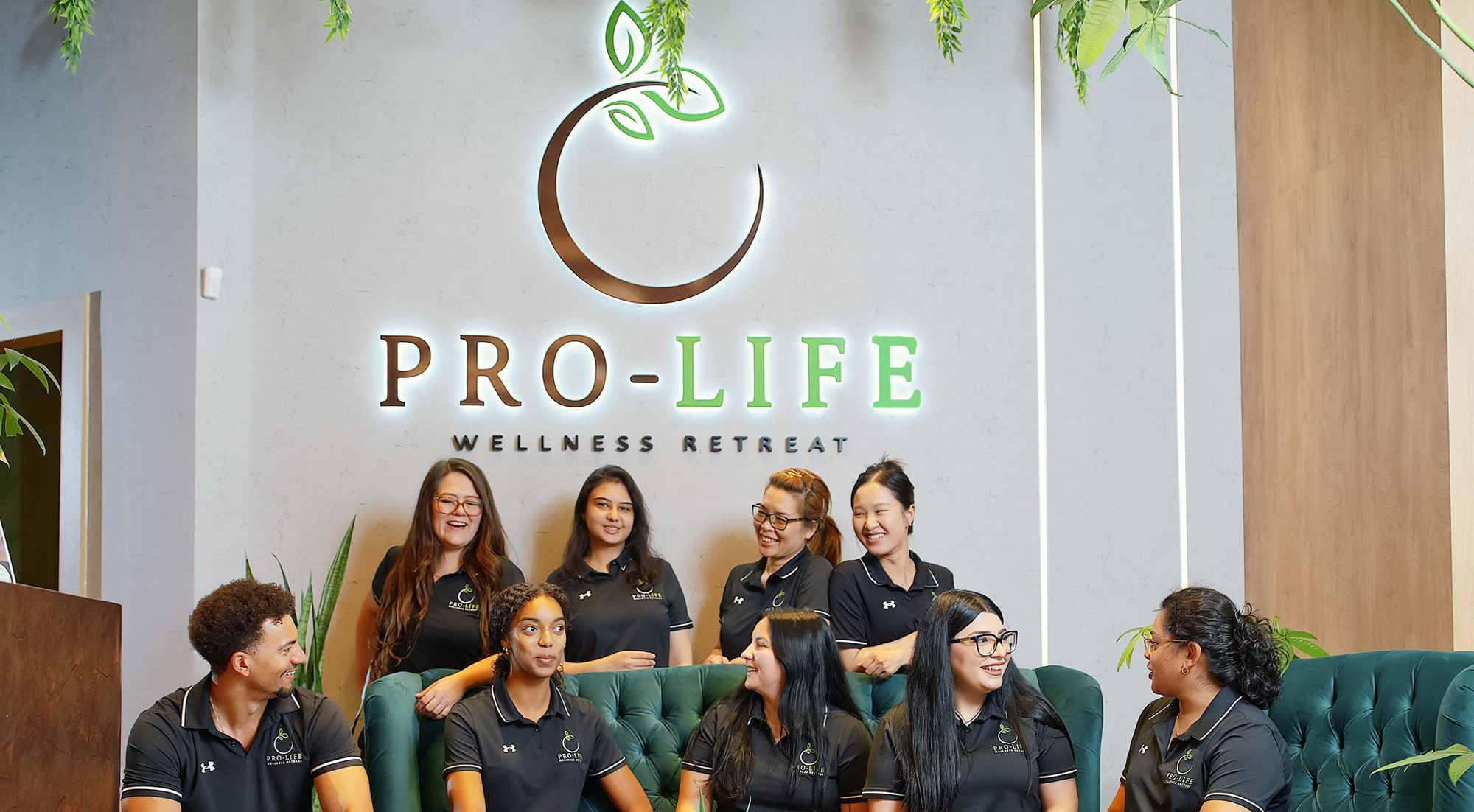
Our best massage clinic therapists are trained and certified in therapy technique
Therapy Goals
Setting goals is the best way to enjoy a successful outcome
Wellness & Rehab
You will receive a full individualized treatment.
Visit our Location
Prolife Wellness Retreat
2250 Markham Road, Unit 3, Scarborough ON M1B 2W4