Spinal Decompression Therapy
Spinal decompression therapy is a non-surgical treatment that gently stretches the spine to relieve pressure on compressed nerves and discs. Prolife Wellness Retreat in Scarborough offers this evidence-based therapy as part of a comprehensive approach to treating chronic back and neck pain, sciatica, and conditions affecting mobility across the Greater Toronto Area.
If you live or work in Scarborough, Markham, Ajax, or the surrounding region and experience persistent spinal pain, understanding how this therapy works and whether it suits your situation can help you make an informed decision about your care. This guide explains the mechanics, benefits, and practical considerations of spinal decompression therapy.
How Spinal Decompression Works and What Conditions It Addresses
The spine consists of vertebrae separated by discs filled with gel-like material. When these discs bulge, herniate, or flatten over time, they can pinch nerves and blood vessels. This compression causes pain, numbness, tingling, and weakness-often radiating down the arms or legs. Spinal decompression therapy uses controlled mechanical stretching to create negative pressure within the disc space, potentially allowing bulging or herniated material to retract and reducing nerve compression.
The process works because the therapy alternates between stretching and relaxation phases. During stretching, the distance between vertebrae increases. During relaxation, the spine returns to neutral position. This cyclical motion encourages fluid exchange within the discs, promoting healing and reducing inflammation. Treatment sessions typically last 20 to 30 minutes, and patients receive multiple sessions over several weeks.
This approach is particularly effective for conditions including herniated discs, degenerative disc disease, sciatica, and facet joint syndrome. It can also benefit people recovering from injury or those experiencing age-related spine changes. Prolife Wellness Retreat uses advanced diagnostic equipment to confirm the underlying cause of pain before recommending whether this therapy is appropriate for your situation.
Who Benefits Most From This Treatment in Scarborough
Spinal decompression therapy works best for people experiencing nerve-related pain rather than muscle-only pain. Candidates typically include active adults between 25 and 65 who have tried conservative treatments like rest, physical therapy, or anti-inflammatory medication without complete relief. Seniors in the Greater Toronto Area seeking to restore mobility and avoid surgery also find this therapy valuable, as do professionals with sedentary jobs who develop postural strain and compression issues.
The therapy is not appropriate for everyone. People with active infections, severe osteoporosis, metal implants in the spine, or certain spinal fractures should not use mechanical decompression. Pregnancy is also a contraindication. During your initial assessment at Prolife Wellness Retreat in Scarborough, the clinical team-drawing on over 50 years of combined experience-will review your medical history, imaging results, and symptoms to determine whether this treatment aligns with your condition and goals.
Success rates are highest when spinal decompression therapy is combined with other treatments. Prolife Wellness Retreat integrates this therapy with physiotherapy exercises, massage therapy, and chiropractic care to address both the mechanical problem and the muscle weakness or tightness surrounding it. This comprehensive approach-treating root causes rather than symptoms alone-increases the likelihood of sustained improvement and reduces the risk of recurrence.
What to Expect During Treatment and Recovery
Your first visit involves a thorough assessment. The team at Prolife Wellness Retreat will ask about your pain history, current symptoms, previous injuries, and what movements or positions make symptoms better or worse. You may undergo imaging such as X-rays or MRI scans if these have not been done recently. The clinician will explain findings in plain language and discuss realistic outcomes for your specific situation.
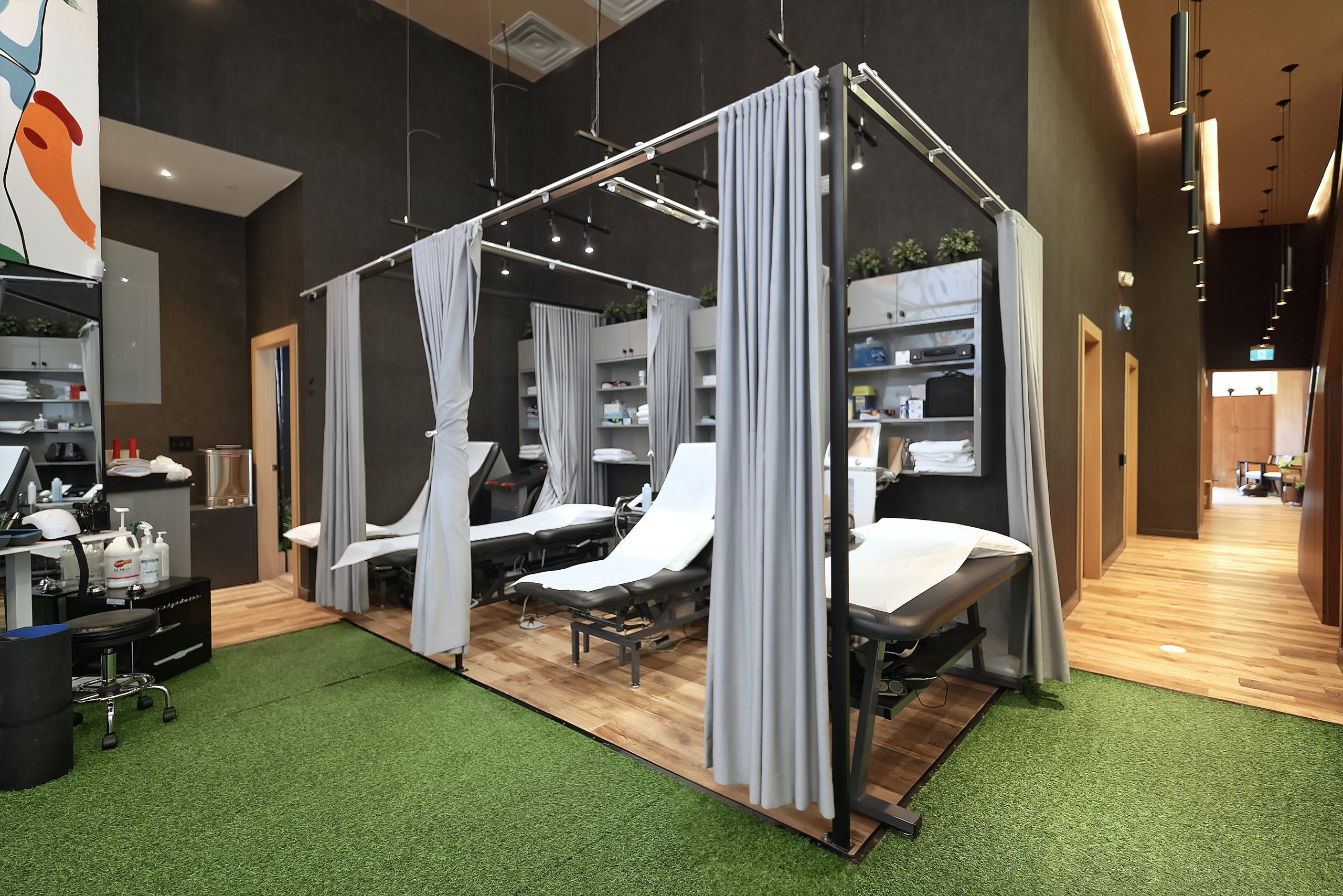
During a decompression session, you lie on a specialized table designed to isolate and stretch the affected spinal segment. The procedure is painless. You remain fully clothed, and the table is programmed to deliver precise amounts of traction based on your body weight and the treatment protocol. Most patients report that sessions feel gentle and comfortable, though some experience mild soreness in the days immediately following the first few treatments as muscles adjust.
Treatment typically requires 12 to 20 sessions over 4 to 6 weeks, though this varies based on your condition's severity and how your body responds. Between sessions, you may be given exercises to stabilize the spine and prevent re-injury. Avoiding heavy lifting, maintaining good posture, and following activity modifications recommended by your physiotherapist at Prolife Wellness Retreat in Scarborough are essential for optimal outcomes.
Recovery is gradual. Some people notice improvement within the first few weeks; others require the full course of treatment to experience significant relief. The goal is not just pain reduction but long-term functional improvement-being able to work, exercise, and engage in daily activities without limitation. Prolife Wellness Retreat monitors your progress throughout treatment and adjusts the plan if needed, ensuring your recovery stays on track.
If spinal pain has limited your quality of life or you have been told surgery is your only option, spinal decompression therapy deserves serious consideration. Prolife Wellness Retreat welcomes new patients across Scarborough, Markham, Ajax, and the Greater Toronto Area. Contact the clinic to schedule an initial consultation and learn whether this therapy can help restore your mobility and reduce pain.
Frequently Asked Questions
Is spinal decompression therapy covered by insurance in Scarborough?
Coverage depends on your individual insurance plan and whether your provider covers physiotherapy or rehabilitation services. Many extended health plans cover decompression therapy when prescribed as part of a physiotherapy treatment plan. Contact Prolife Wellness Retreat in Scarborough with your insurance details, and the team can help determine what your plan may cover.
How does spinal decompression compare to surgery for a herniated disc?
Spinal decompression is non-invasive and avoids surgical risks, recovery time, and costs. However, it is less effective for severe cases where nerve damage is advanced or where structural instability exists. Surgery may be necessary if conservative treatment, including decompression therapy, does not provide relief after 6 to 8 weeks or if neurological symptoms worsen. Prolife Wellness Retreat can help you understand whether to pursue this therapy first or discuss surgical consultation with your physician.
How many sessions of spinal decompression therapy do I need in Markham or Ajax?
Most patients require 12 to 20 sessions over 4 to 6 weeks for noticeable improvement, though individual responses vary. The exact number depends on how long your condition has existed, the severity of nerve compression, your age, and how well your body responds to treatment. Prolife Wellness Retreat will assess your progress throughout treatment and adjust your plan accordingly, ensuring you receive an appropriate course tailored to your needs.
What makes us unique
Personalized Treatment
You will receive a full individualized treatment
Licensed Therapists
Your treatment will only be performed by licensed therapists
Experienced Staff
Our best massage clinic therapists are trained and certified in therapy technique
Therapy Goals
Setting goals is the best way to enjoy a successful outcome
Wellness & Rehab
You will receive a full individualized treatment.
Visit our Location
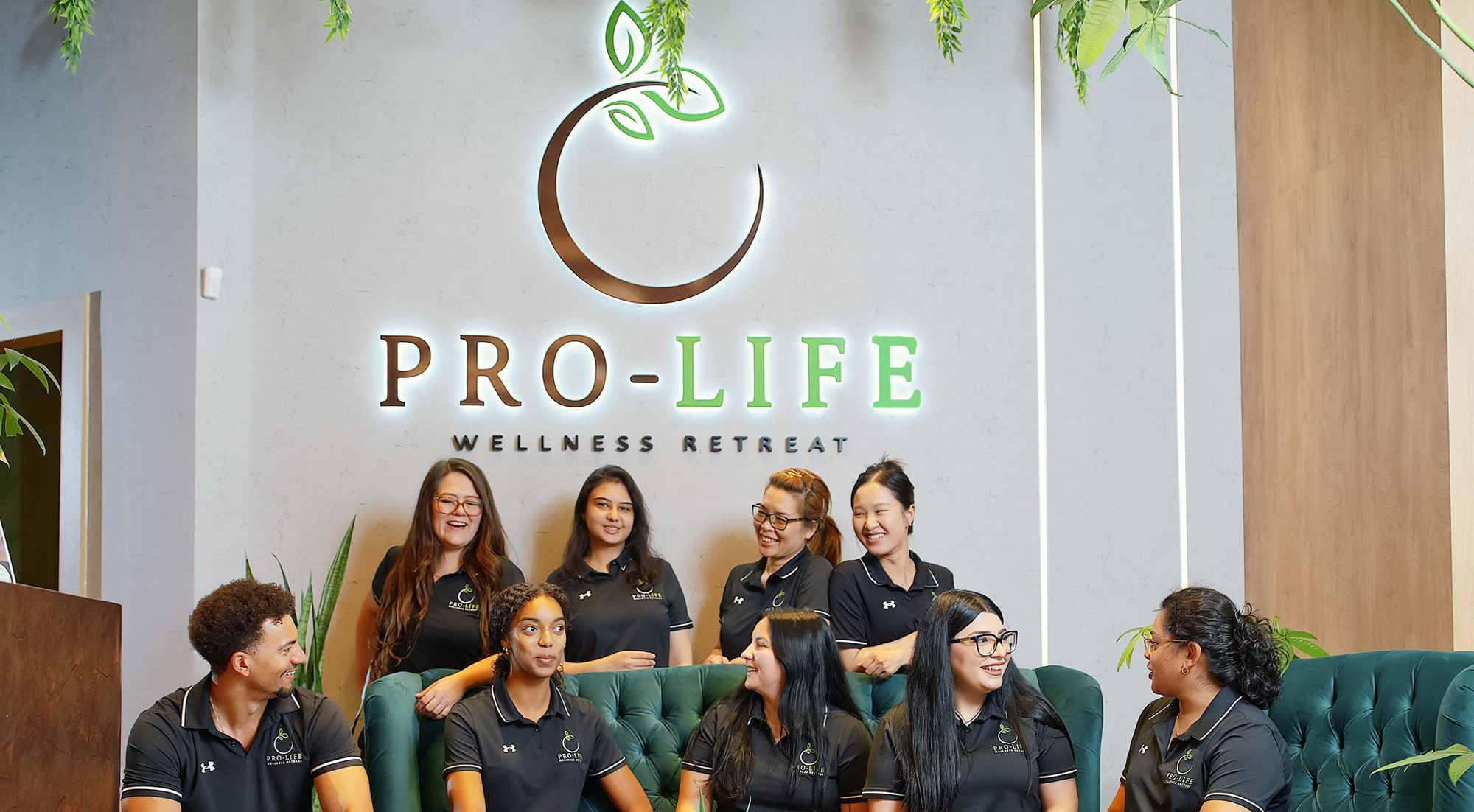
Prolife Wellness Retreat
2250 Markham Road, Unit 3, Scarborough ON M1B 2W4