Sports Injury Physiotherapy Scarborough Athletes
Sports injury physiotherapy in Scarborough is specialized rehabilitation designed to restore function, strength, and mobility after athletic injury or overuse, using manual therapy, targeted exercise prescription, and biomechanical assessment to address both the injury site and underlying movement dysfunction.
If you are an active adult in Scarborough, Markham, Ajax, or the Greater Toronto Area dealing with a sports-related injury, Prolife Wellness Retreat provides comprehensive physiotherapy assessment and treatment grounded in over 50 years of combined clinical experience. Rather than managing symptoms alone, the clinic's physiotherapists identify root causes of injury and design progressive rehabilitation protocols tailored to your sport and performance goals.
1. Early Assessment Determines Your Recovery Timeline
The first 48 to 72 hours after injury set the foundation for recovery speed and quality. A physiotherapist at Prolife Wellness Retreat will perform a detailed structural assessment, including range-of-motion testing, manual muscle testing, and functional movement screening. This initial evaluation identifies whether tissue damage is acute inflammation, ligamentous injury, muscular strain, or a combination-each requiring different treatment sequencing.
Because proper early management prevents secondary compensations and chronic pain patterns, athletes who seek physiotherapy within the first week typically require fewer total treatment sessions and return to sport more safely. The assessment also establishes baseline measurements against which progress is objectively tracked throughout rehabilitation.
2. Movement Dysfunction Often Precedes Injury
Many athletes assume injury happens by chance-a sudden twist, a collision, a mishit. Biomechanical analysis reveals that 60 to 80 percent of athletic injuries result from pre-existing movement faults or muscular imbalances that accumulate over weeks or months before pain appears. Common patterns include hip weakness leading to knee injury, thoracic spine stiffness causing shoulder impingement, or ankle instability triggering cascading compensation up the kinetic chain.
Prolife Wellness Retreat physiotherapists assess your movement quality during sport-specific tasks-lunging, pivoting, throwing, kicking-to uncover these patterns. Because correcting movement dysfunction is central to injury prevention, your rehabilitation program addresses not only the site of pain but also the mechanical faults that permitted injury to occur. This approach significantly reduces recurrence risk once you return to competition.
3. Progressive Loading Follows a Predictable Sequence
Effective rehabilitation is not linear progression of harder exercises. It follows a structured framework: pain management and protection in the acute phase (days 1 to 14); restoration of range of motion and basic strength (weeks 2 to 4); development of muscular endurance and sport-specific power (weeks 4 to 8); and finally integration into training and gradual return to sport (weeks 8 onward). Timeline varies based on injury severity, tissue type, and individual healing capacity.
At each phase, your physiotherapist at Prolife Wellness Retreat validates readiness to progress by testing specific criteria-pain threshold, strength thresholds relative to your uninjured side, and functional movement quality. Advancing too quickly increases re-injury risk; advancing too slowly creates deconditioning and psychological frustration. Because proper sequencing matters, your program will be adjusted weekly based on measurable response rather than calendar-driven progression.
4. Sport-Specific Training Differs Fundamentally from General Rehabilitation
A soccer player's rehabilitation differs substantially from a tennis player's, even for the same ligament injury. Soccer demands repetitive multi-directional acceleration, deceleration, and lateral pivoting; tennis demands explosive single-leg loading and rotational power. Late-stage rehabilitation must replicate these demands-volume, intensity, movement pattern, and decision-making speed-to prepare your neuromuscular system for actual competition.
Prolife Wellness Retreat designs the final rehabilitation phases around your specific sport. This includes agility drills, plyometric progressions, reaction-based training, and intermittent high-intensity work matched to your sport's physiological demands. Because your injury did not occur in isolation from your sport, your recovery should not be isolated from it either. Sport-specific training ensures confidence and movement automaticity when you return to competition.
5. Manual Therapy Addresses Restricted Tissue and Joint Mobility
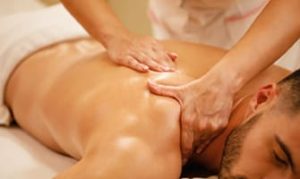
Exercise alone does not always restore full mobility after injury. Swelling, scar tissue formation, joint stiffness, and muscular guarding can persist despite strengthening work. Manual therapy-including joint mobilization, soft tissue release, and myofascial techniques-directly addresses these restrictions. Mobilization involves therapist-applied movement to joints at varying speeds and amplitudes; soft tissue techniques target muscle trigger points, fascial adhesions, and neural tension patterns.
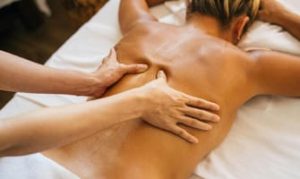
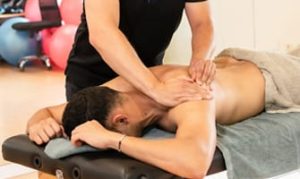
At Prolife Wellness Retreat, registered massage therapy is integrated with physiotherapy assessment. Because manual interventions restore mobility more efficiently than exercise alone in the early stages, combining hands-on treatment with active rehabilitation accelerates functional recovery. Specific techniques are selected based on tissue type and restriction pattern identified during assessment, ensuring treatment specificity.
6. Pain Does Not Always Indicate Tissue Damage
After acute injury healing progresses, persistent pain often reflects sensitized nervous system response rather than ongoing structural damage. This is particularly true beyond 6 to 8 weeks post-injury. Central sensitization-heightened pain signaling-maintains pain even after tissues have substantially healed. Fear avoidance and reduced activity further reinforce pain signals, creating a cycle that delays return to sport.
Physiotherapists at Prolife Wellness Retreat recognize this distinction and adjust strategy accordingly. Rather than assuming pain means tissue damage and restricting activity further, evidence-based pain science informs graded exposure to movement. This approach restores confidence and movement tolerance while nervous system responsiveness normalizes. Education about pain neuroscience is therefore a core component of treatment, helping athletes contextualize their experience and engage confidently in rehabilitation.
7. Return-to-Sport Criteria Must Be Objective, Not Subjective
Deciding when you are ready to return to full training or competition should not rest on feeling ready or completing a calendar of sessions. Objective return-to-sport criteria measure specific physical capacities: strength of the injured limb must reach 90 percent or greater relative to the uninjured side; sport-specific movement patterns must demonstrate quality matching pre-injury baseline; agility and change-of-direction speed must meet pre-injury levels; and psychological readiness assessed by validated questionnaires must indicate confidence.
Prolife Wellness Retreat physiotherapists employ standardized testing batteries-including isokinetic strength testing, Y-Balance assessment, single-leg hop tests, and sport-specific movement evaluation-to objectively determine readiness. Because premature return is the single largest risk factor for re-injury, and because delayed return impacts your season or competitive opportunity, basing the decision on measurable criteria rather than subjective judgment protects both your health and your athletic goals.
If you are an athlete in Scarborough or the surrounding Greater Toronto Area recovering from sports injury, Prolife Wellness Retreat is equipped to deliver specialized physiotherapy grounded in current evidence and refined through decades of clinical experience. The clinic's approach combines detailed assessment, hands-on treatment, targeted rehabilitation programming, and objective progress tracking. Contact Prolife Wellness Retreat to discuss your injury and explore how their physiotherapists can support your safe, effective return to the sports you value.
Frequently Asked Questions
What is the difference between sports injury physiotherapy and general physiotherapy?
Sports physiotherapy specializes in athletic performance, injury prevention, and return-to-sport protocols specific to individual sports and competitive demands. General physiotherapy addresses broader functional limitations without this sport-specific focus. Sports physiotherapy requires knowledge of sport biomechanics, training load management, and progressive intensity sequencing unique to athletic populations.
How much does sports injury physiotherapy cost in Scarborough?
Costs vary based on injury complexity, number of sessions required, and specific treatments utilized. Contact Prolife Wellness Retreat directly to discuss your injury and receive a clear explanation of fees and treatment frequency recommendations for your situation.
How long does it typically take to recover from a sports injury with physiotherapy?
Recovery timelines depend on injury severity, tissue type, and individual healing capacity. Minor muscle strains may resolve in 4 to 6 weeks; ligament injuries typically require 8 to 16 weeks; fractures and major soft tissue injuries may extend 3 to 6 months or longer. Your physiotherapist at Prolife Wellness Retreat will provide specific estimates during your initial assessment.
Is there a physiotherapy clinic near me in Scarborough that treats athletes?
Yes. Prolife Wellness Retreat is located in Scarborough and serves athletes throughout the Greater Toronto Area, including Markham and Ajax. The clinic specializes in sports injury rehabilitation and athletic performance recovery with over 50 years of combined clinical experience.
What makes us unique
Personalized Treatment
You will receive a full individualized treatment
Licensed Therapists
Your treatment will only be performed by licensed therapists
Experienced Staff
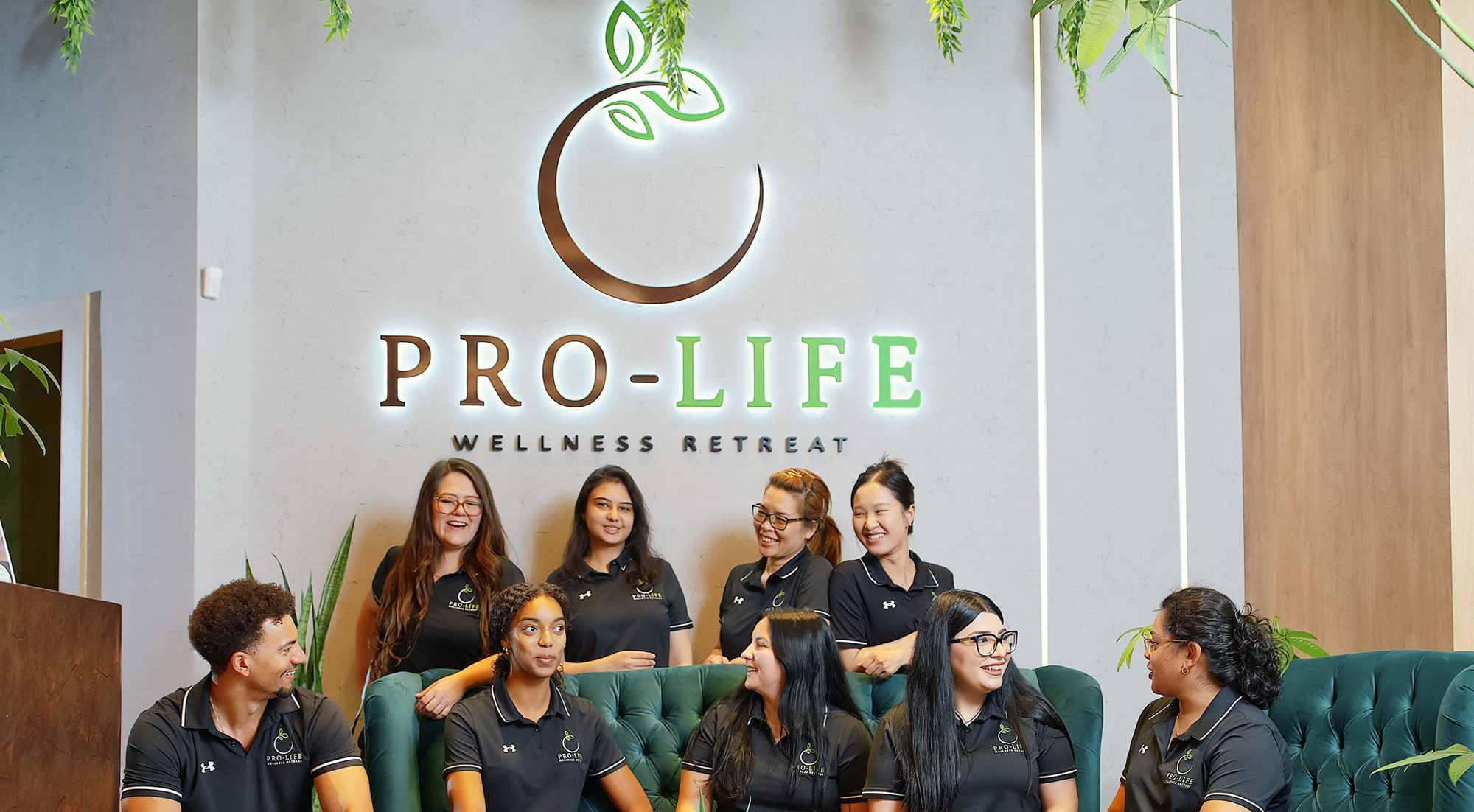
Our best massage clinic therapists are trained and certified in therapy technique
Therapy Goals
Setting goals is the best way to enjoy a successful outcome
Wellness & Rehab
You will receive a full individualized treatment.
Visit our Location
Prolife Wellness Retreat
2250 Markham Road, Unit 3, Scarborough ON M1B 2W4